Quad Cities International Airport (QCIA) was back to 94%-96% of the Thanksgiving holiday travelers in 2021 compared to 2019, pre-pandemic.
QCIA received a $2.8 million Federal Aviation Administration (FAA) grant for airport improvements over the next five years. Improvements will include updating the landside and the airside for a better customer experience, and equipment purchases for snow removal and safety.
A major runway QCIA reconfiguration project will begin in spring 2022 to remove the bullseye (three intersecting runways). It will shorten the general aviation runway by approximately 2,000 feet, which is still ample for most aircraft and create a parallel taxiway to the main commercial runway. This will increase the safety and efficiency of movements around the airport.
Supporting the QCIA is crucial to the growth of our region and vice versa; the airlines look at how the region as a whole is trending and it requires a symbiotic relationship.
Hotels in the region continue to see leisure travelers booking more and out-of-town workers continue to use the extended stay hotels.
Drawbacks
The rebound of business travel remains uncertain due to the ease, cost-effectiveness and reliance on virtual meetings.
Adverse weather caused disruption in QCIA flights over the Christmas holiday, including cancellations due to downline issues.
Travelers are driving to Chicago, Peoria and Cedar Rapids to take flights that may be more frequent.
A pilot shortage is causing strain on the airline industry.
Hotels are bringing back staff as guest numbers increase. Finding new workers has been difficult for some hotels.
Supply chain issues continue to cause disruption in some food items either being hard to get or costing up to three times more than pre-pandemic.
Some large gatherings and events are being scheduled as COVID-19 restrictions and counts ease. This has helped bring revenue back but it is still falling short of where it was pre-pandemic.
Food and Beverage
Drivers
Restaurants continue to see patrons returning for social and family gatherings, wearing masks where required. COVID-19 vaccinations and boosters are raising customer confidence.
Drawbacks
Illinois restaurants are seeing more customers but with more state restrictions in place than Iowa, some are losing business to those across the river. For example, a locally-owned franchise with locations in both states noted a significant difference in sales; the Iowa location is doing well and the Illinois location is struggling.
Supply chain issues are still an issue for many. Condiments and protein products, such as chicken, can be difficult to secure and can cost three times the amount they were paying pre-pandemic. Some restaurants are increasing the price of menu items to offset costs. Hiring workers continues to be challenging. Burnout has been and continues to be an issue for remaining employees and management.
Third-party delivery companies are ordering and picking up to-go orders and take as much as 30% of the ticket for their service fee. They aren’t always representing the restaurant in the best light and have even caused some restaurants to get bad reviews from a wrong order or unkempt delivery driver.
Retail
Drivers
Retail shoppers were buying holiday gifts during the fourth quarter. New stores opened and others expanded. Local boutiques continue to be supported as the trend to shop local continues. In-person fashion shows were held offering beverages and hors d'oeuvres, back to pre-pandemic type events. Facebook continues to be a selling platform for many brick & mortar and home-based boutiques. Big box stores remained busy.
Used vehicle sales remain strong. Dealerships are selling used inventory at record prices over Kelly Blue Book prices. Some are trading with other dealerships and hiring retirees to pick up and drop off vehicles as far away as Chicago and Minneapolis in order to get new car inventory.
Options such as Insta-cart, aisles on-line and other online ordering for grocery pick up and delivery remains popular with many working from home.
Drawbacks
Workforce issues are a challenge for all. Smaller grocery chains aren’t hurt as much as large retailers. Flexible schedules, allowing employees to choose store locations and increased pay have helped.
Big box stores and a large grocery store have added more self-checkouts, which is not popular with some shoppers.
Online orders from retailers such as Amazon are cutting into local store profits.
Supply chain issues are causing longer wait times for grocery products, and supply and demand are causing price increases.
The shortage of workers is increasing check out wait-times.
With the added online ordering options impulse buying is down as more shoppers are foregoing the aisles and having food orders ready for pick up or delivered.
New vehicles are hard to get due to the backorder of microchips. Automakers are delaying the production of certain vehicles. Some carmakers have closed plants which have caused even longer delays.
Construction
Drivers
Construction remains strong in the region. New housing developments and senior living communities are popping up.
Home remodeling has stayed strong as more people spend time at home. Kitchens, bathrooms, and family rooms are the most requested areas for updates.
Drawbacks
Sub-contractors are still difficult to find in some areas. Cement workers and finishers, as well as interior painters, are in short supply.
The cost of materials remains high with some, like steel, still very hard to get. Orders are delayed sometimes by months to get the materials needed to complete a job.
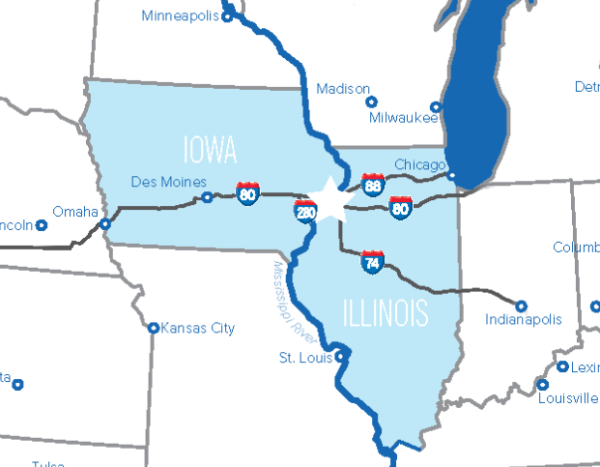
The heart of the Midwest
QC, That's Where? It's where two states and one mighty Mississippi River are home to a family of communities making the Midwest's future.